
When we think of patriotic films, images of soldiers charging into battle or dramatic war sequences often come to mind. But true patriotism isn't always about grand gestures on the battlefield. Some of the most powerful patriotic films in Bollywood have shown us that loving your country means contributing to it in everyday ways—through education, sports, social reform, and simply being a responsible citizen.
As Republic Day approaches, it's the perfect time to revisit these cinematic gems that redefined what it means to be patriotic. These films didn't just wave the tricolor; they challenged viewers to think, question, and act. They proved that patriotism lives in the choices we make every single day.
Swades (2004): The Homecoming That Changed Everything

Ashutosh Gowariker's Swades remains the gold standard for films about everyday patriotism. Shah Rukh Khan's portrayal of Mohan Bhargava, an NRI scientist who returns to India and rediscovers his roots, struck a chord with millions.
What makes Swades extraordinary is its honest depiction of rural India—without romanticizing poverty or demonizing progress. Mohan doesn't return as a savior but as someone who learns that real change happens when you get your hands dirty. The film addresses caste discrimination, lack of infrastructure, brain drain, and civic responsibility with remarkable sensitivity.
The iconic "Yeh Jo Des Hai Tera" isn't just a song; it's a philosophy. Swades taught us that patriotism isn't about living in India necessarily, but about contributing to it meaningfully. Whether it's generating electricity for a village or fighting social evils, every action counts.
Chak De! India (2007): Unity in Diversity on the Hockey Field

Shah Rukh Khan returns to this list with Chak De! India, a film that used sports as a powerful metaphor for national unity. Directed by Shimit Amin, this sports drama went beyond the hockey field to address religious prejudice, gender inequality, and regional biases.
Kabir Khan, a disgraced former hockey player accused of match-fixing due to his Muslim identity, coaches the Indian women's hockey team to World Cup glory. The film brilliantly showcases how 16 girls from different states, speaking different languages, and carrying different prejudices, learn to play as one team.
The famous locker room scene where Kabir Khan asks his players to forget their states and remember only that they're from India became iconic. Chak De India reminded audiences that our diversity is our strength when we choose unity over division. It also brought women's sports into mainstream conversation, showing that patriotism means celebrating and supporting all Indians, regardless of gender.
Rang De Basanti (2006): Awakening the Revolutionary Within
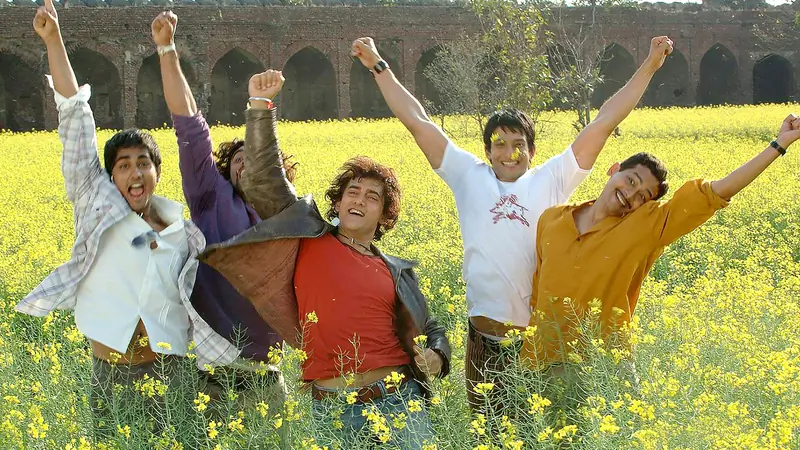
Rakeysh Omprakash Mehra's Rang De Basanti became a cultural phenomenon by drawing parallels between pre-independence revolutionaries and modern youth apathy. The film follows a group of Delhi University students who initially participate in a documentary about freedom fighters merely for fun, but gradually awaken to their own responsibility toward the nation.
What made Rang De Basanti revolutionary was its unflinching critique of corruption and governmental apathy. When their friend, a fighter pilot, dies due to faulty aircraft caused by defense corruption, the protagonists transform from carefree students into activists willing to risk everything.
The film sparked real-world movements, with young Indians gathering at India Gate for candlelight vigils and protests. It proved that patriotism isn't passive nostalgia for past heroes—it's active participation in shaping the future. The message was clear: you can't keep complaining about the system without being willing to change it.
Taare Zameen Par (2007): Every Child Matters
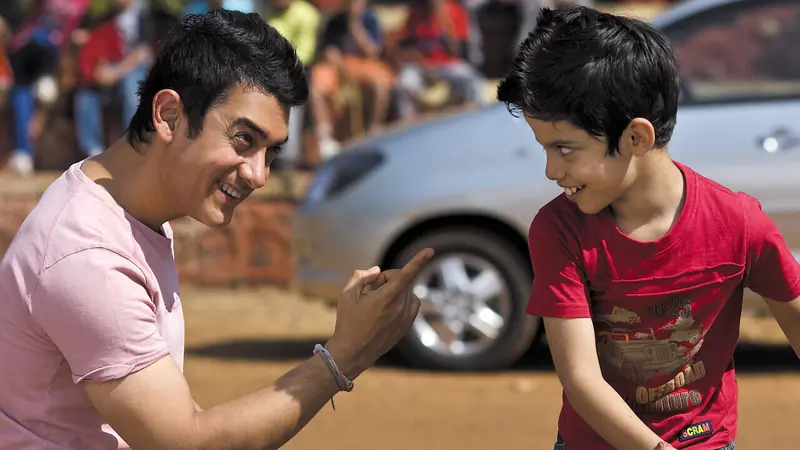
Aamir Khan's directorial debut Taare Zameen Par might not seem like a typical patriotic film, but it embodies one of the most crucial aspects of nation-building: inclusive education.
The story of Ishaan, a dyslexic child failed by the conventional education system, and Ram Shankar Nikumbh, the art teacher who recognizes his potential, is fundamentally about not leaving any citizen behind. A nation's strength lies in nurturing every child's unique abilities rather than forcing conformity.
By highlighting learning disabilities and advocating for educational reform, Taare Zameen Par showed that patriotism means ensuring every Indian child gets the opportunity to flourish. Building a strong nation requires recognizing that every star matters, even if it shines differently.
Lagaan (2001): Rebellion Through Cricket
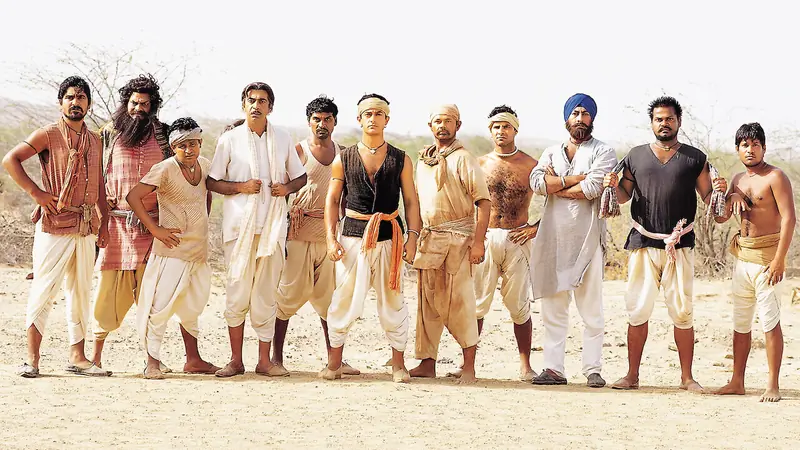
Ashutosh Gowariker's period sports drama Lagaan used the unlikely combination of cricket and colonial oppression to tell a rousing story of collective resistance. Set in 1893, the film shows villagers challenging British officers to a cricket match to escape crippling taxation.
Beyond the underdog sports narrative, Lagaan explored unity across caste and religious lines. The team includes a Dalit player, a Muslim warrior, and people from different social strata working together. The film demonstrated that fighting oppression requires setting aside internal divisions.
Lagaan's patriotism was about dignity, self-respect, and refusing to accept injustice. It showed that resistance doesn't always need weapons—sometimes it needs unity, strategy, and unwavering determination.
3 Idiots (2009): Reforming Education, Building the Nation
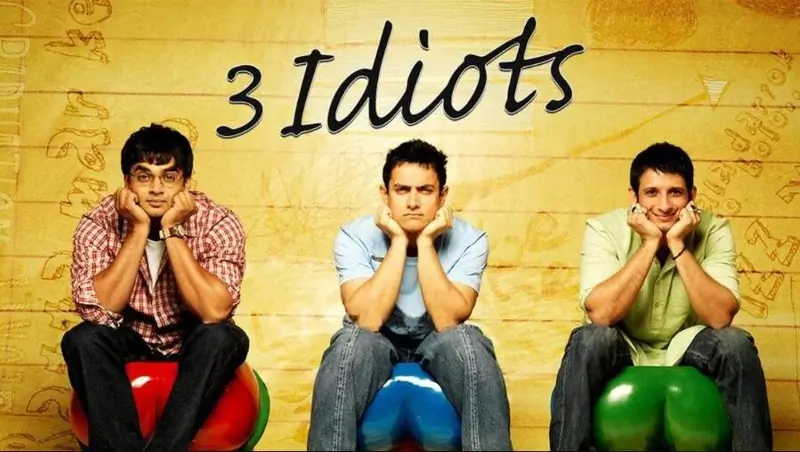
Rajkumar Hirani's blockbuster 3 Idiots tackled India's pressure-cooker education system with humor and heart. While ostensibly a comedy about engineering students, the film made serious points about how our education system often prioritizes rote learning over innovation and understanding.
Rancho's philosophy of pursuing excellence rather than success, learning for knowledge rather than grades, and thinking creatively rather than mechanically, offered a blueprint for educational reform. The film argued that a nation's progress depends on creating thinkers and innovators, not just degree-holders.
By questioning authoritarian teaching methods and highlighting student mental health, 3 Idiots showed that patriotism includes demanding better institutions and systems. It sparked national conversations about education reform that continue today.
Paan Singh Tomar (2012): When the Nation Fails Its Heroes
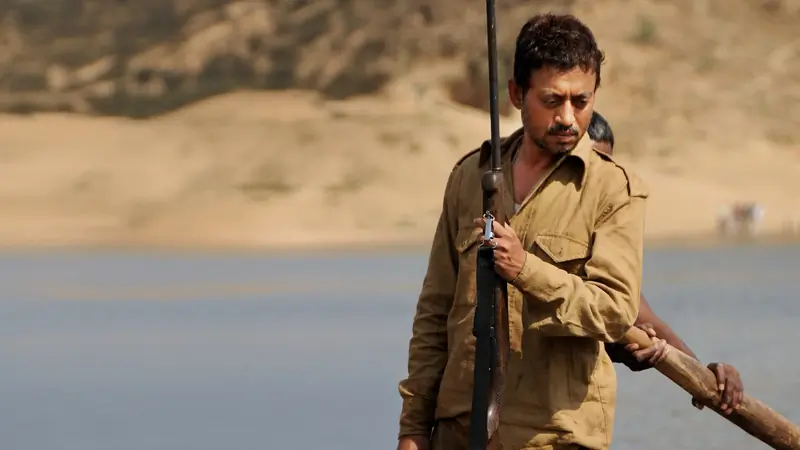
Tigmanshu Dhulia's biographical drama Paan Singh Tomar tells the tragic story of a national-level athlete who becomes a dacoit after the system fails him. Irrfan Khan's powerful performance brought attention to how India often neglects its sportspersons once their glory days end.
This film's patriotism lies in its critique—it asks uncomfortable questions about how we treat those who bring honor to the nation. Paan Singh wins medals for India but receives no pension, no security, and no respect when he needs it most.
The film serves as a wake-up call that patriotism means taking care of our heroes, not just celebrating them when convenient. It's about creating systems that honor commitment and service.
Newton (2017): Democracy in Action
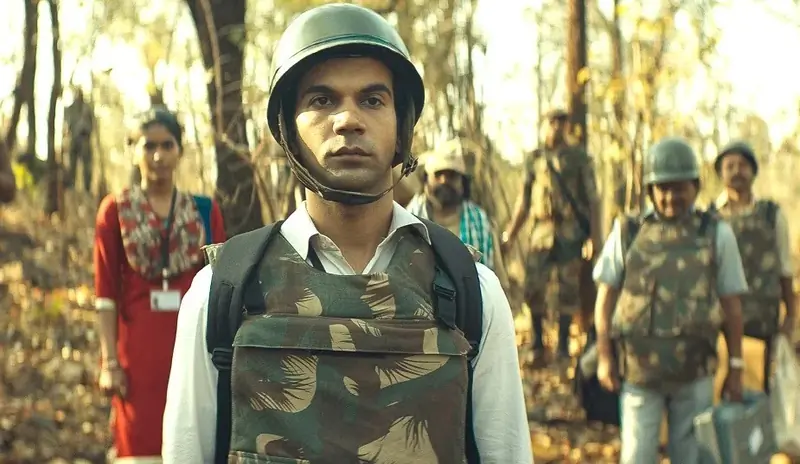
Amit V. Masurkar's dark comedy Newton follows a principled government clerk determined to conduct free and fair elections in a conflict-ridden area of Chhattisgarh. Rajkummar Rao's Newton Kumar represents the unglamorous, often thankless work of upholding democratic values.
The film brilliantly captures the gap between democratic ideals and ground realities. Newton's insistence on following protocol, even when it seems impractical, highlights how democracy requires individuals who won't compromise principles for convenience.
Newton showed that patriotism is often boring, bureaucratic work done by ordinary people committed to doing their jobs with integrity. It's about the countless election officers, government servants, and citizens who make democracy work despite obstacles.
Pad Man (2018): Fighting Taboos, Empowering Women
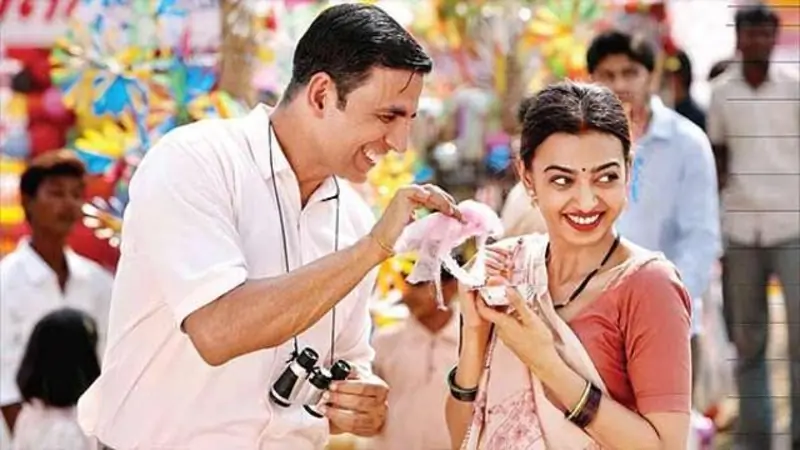
R. Balki's Pad Man, based on Arunachalam Muruganantham's real story, addressed menstrual hygiene—a topic rarely discussed openly. Akshay Kumar's portrayal of a man who invents low-cost sanitary pads despite social ostracism demonstrates patriotism through social entrepreneurship.
The film argued that a nation cannot progress while half its population faces health crises due to taboos and poverty. By normalizing conversations about menstruation and making sanitary products accessible, Pad Man showed how individual innovation can drive national change.
This is patriotism that directly impacts lives—improving women's health, enabling girls to stay in school, and challenging regressive attitudes that hold society back.
Dangal (2016): Daughters Are No Less
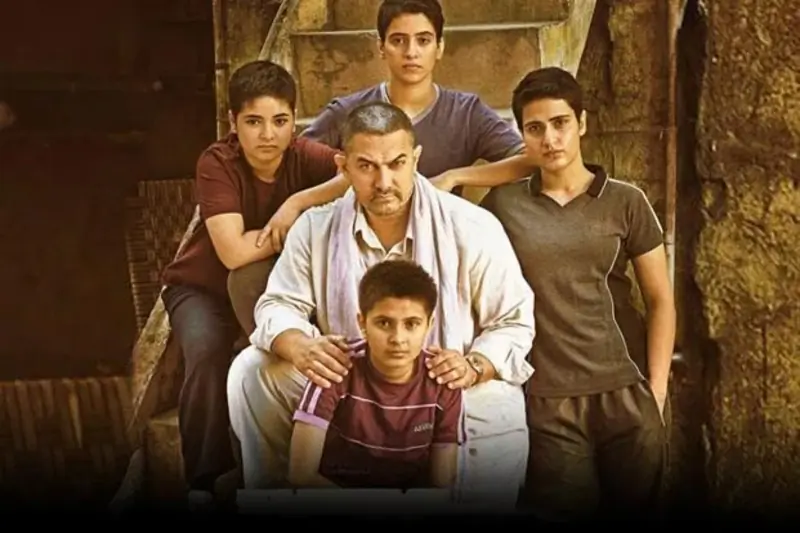
Nitesh Tiwari's Dangal told the story of Mahavir Singh Phogat training his daughters to become world-class wrestlers in a society that considers girls a burden. Beyond being a sports biopic, the film challenged deep-rooted gender discrimination.
The film's patriotism lies in its assertion that India's potential is wasted when we limit opportunities based on gender. Geeta and Babita Phogat's journey from a small Haryana village to international glory proved that talent has no gender.
Dangal sparked conversations about equal opportunities, women in sports, and changing mindsets. It showed that building a strong nation means empowering all citizens and recognizing that daughters deserve the same investment as sons.
Conclusion: Redefining Love for Country
These ten films prove that Bollywood's most impactful patriotic stories happen far from battlefields. They unfold in classrooms, sports fields, villages, and homes. They're about teachers who see potential, athletes who overcome bias, citizens who demand accountability, and innovators who solve real problems.
True patriotism, these films suggest, isn't about grand gestures but everyday choices: educating every child, ensuring women's safety and dignity, fighting corruption, preserving democracy, challenging discrimination, and building inclusive institutions.
This Republic Day, as we celebrate our Constitution and democratic values, these films remind us that loving India means actively working to make it better—one classroom, one village, one idea, and one citizen at a time. That's the kind of patriotism that truly transforms nations.