
In theaters 26th February 2026
Cast: Jessie Buckley, Paul Mescal, Emily Watson, Joe Alwyn and more
Directed by: Chloe Zhao
Screenplay: Chloe Zhao and Maggie O'Farrell
Produced by: Liz Marshall, Pippa Harris, Nicolas Gonda, Steven Speilberg, Sam Mendes
Rating - **** (4/5)
What director Chloe Zhao manages to carve out when she goes intimate with her storytelling is pure magic. You can always return to the story she wants to tell and find new emotional layers waiting for you. When she leans into intimacy, when she chooses poetry over spectacle and rawness over manipulation, she reaches a space that feels almost sacred. That has quietly become her signature and it continues, perhaps at its absolute best, with her latest film Hamnet.
Here we move around the story of William Shakespeare, a young Shakespeare played wonderfully by Paul Mescal, and his wife Agnes Hathaway, who becomes Agnes Shakespeare, portrayed with breathtaking precision by Jessie Buckley. The film circles their life, their love and ultimately their unimaginable grief, while building toward the creation of the masterpiece the world knows as Hamlet.
Love Before The Legend
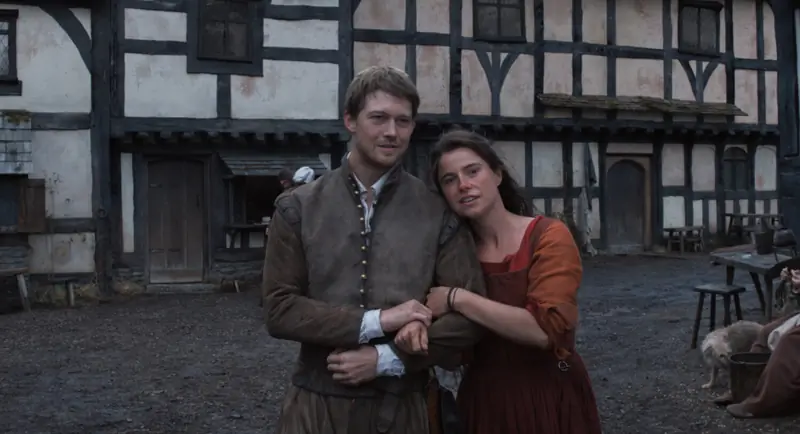
If you have not seen the film yet, you might have heard that it is primarily about Shakespeare and his wife trying to cope with the loss of their eleven year old son Hamnet Shakespeare, an event that later inspires Shakespeare's masterpiece, Hamlet. Zhao absolutely maintains that emotional crux and builds toward a crescendo that is poetic, introspective and deeply heartfelt. Yet what makes the film so affecting is how carefully she establishes the relationship between William and Agnes in the first half.
Agnes is introduced as the eldest daughter of the Hathaway family. She lost her mother at a young age and those memories linger in flashes that continue to haunt her. Her stepmother is not cruel, not an evil caricature, but there is a distance there that never quite closes. Agnes finds comfort wandering through the forest, a place that feels spiritual and personal to her. The villagers almost speak of her like folklore, the daughter of a forest witch, because of how instinctively she belongs to that space.
It is in this world that William, the Latin tutor of the Hathaway family, notices her and falls in love almost instantly. He woos her with youthful determination, with charm and sincerity. Eventually Agnes falls for him too. Their union is not immediately accepted by both families, but love wins. Even before marriage, Agnes is pregnant with William’s first child and he insists it is no sin. There is tenderness here, a softness that feels earned rather than imposed.
A Family Built On Fragile Joy
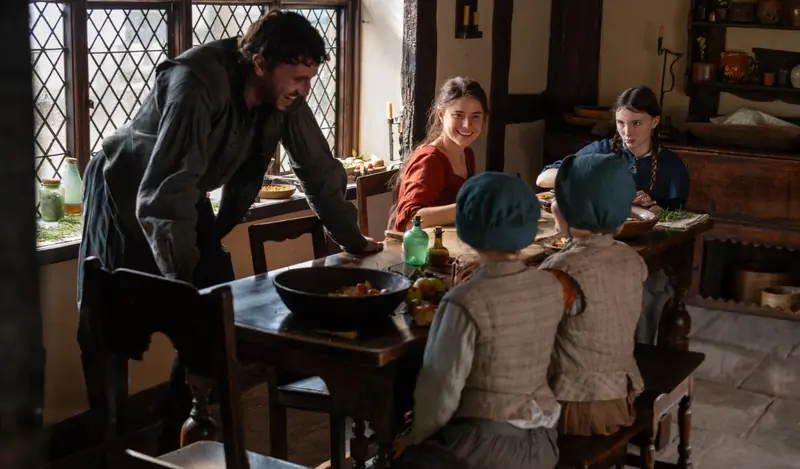
As time passes, William realizes he must earn better and expand his work. London calls him. In the early years it is manageable, a necessary distance. The couple welcomes their first child, Susanna Shakespeare. Then comes one of the most powerful sequences in the film. Agnes goes into labor again and gives birth to a boy. Almost immediately it becomes clear that she is carrying twins. Judith Shakespeare is born moments later and does not breathe.
What follows is extraordinary. Everyone tells Agnes there is no use trying to revive the child. Yet she refuses to surrender. In those agonizing first minutes she nurses her daughter with relentless faith and somehow Judith returns to life. Zhao uses this moment to show us exactly who Agnes is. Resilient. Fiercely maternal. Unwilling to bow before fate without a fight.
Years pass. The Shakespeare household finds its rhythm. William travels back and forth to London. Susanna grows into a steady presence. Judith and Hamnet Shakespeare share an inseparable twin bond that feels pure and joyous. Hamnet also shares a special connection with his father. In small, beautifully written scenes he tells William he wants to be a soldier, a great swordsman. William smiles and tells him he will be. When he is away, Hamnet must be brave and protect the family.
When Fate Turns Cruel
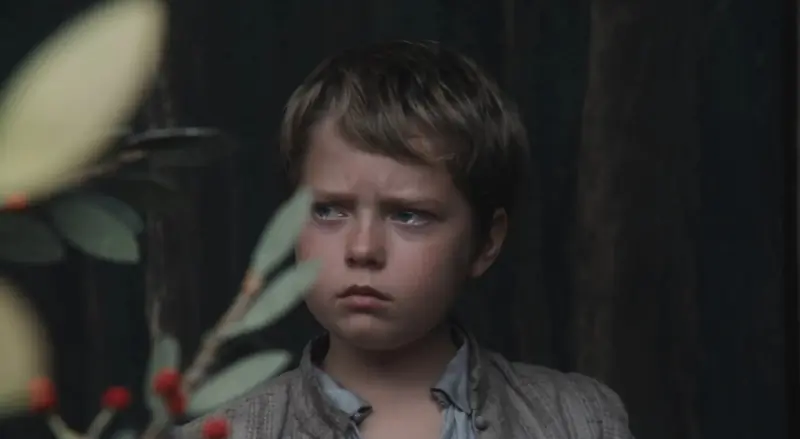
Then fate turns, quietly and without warning. Judith falls gravely ill. Agnes pours everything she has into keeping her alive, just as she once did when Judith was born. But this time something else happens. Hamnet, in a gesture that feels both symbolic and heartbreakingly literal, seems willing to absorb his sister’s suffering. He loves her that deeply. Soon he falls ill himself and before anyone fully grasps what is happening, Hamnet dies.
This loss shatters everything. The bond between William and Agnes fractures under the weight of grief. Agnes cannot understand how William can still return to London, how work can continue when their son is gone. William, meanwhile, is drowning in sorrow but also understands the brutal realities of survival. He must work. Out of that agony begins the slow, painful birth of Hamlet.
Zhao does not rush this transformation. She allows silence to fill the spaces between husband and wife. She allows us to sit in the discomfort. When Hamlet is finally staged in the film’s closing act, it becomes more than a play. It becomes an act of mourning.
Jessie Buckley’s Devastation
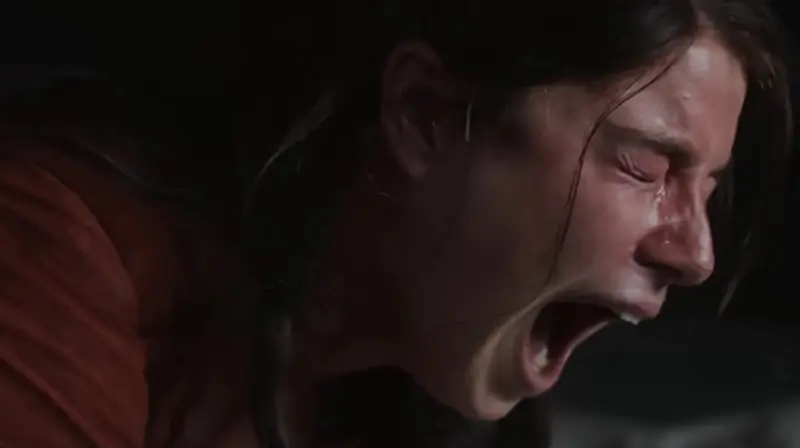
Jessie Buckley as Agnes Shakespeare is staggering. She captures the ferocity of a mother and the fragility of a grieving woman with astonishing control. When Agnes finally realizes that Hamnet is no more and lets out a scream of unbearable anguish, it does not feel performed. It feels torn from somewhere primal. It is the kind of moment that echoes in your chest long after the scene ends.
With awards recognition already surrounding her, from Golden Globe to BAFTA, it would surprise no one if further honors followed, including the biggest of them all, the Oscar. This is one of the most heart aching, gut wrenching and yet restrained performances you will see in recent years.
Paul Mescal’s Quiet Power
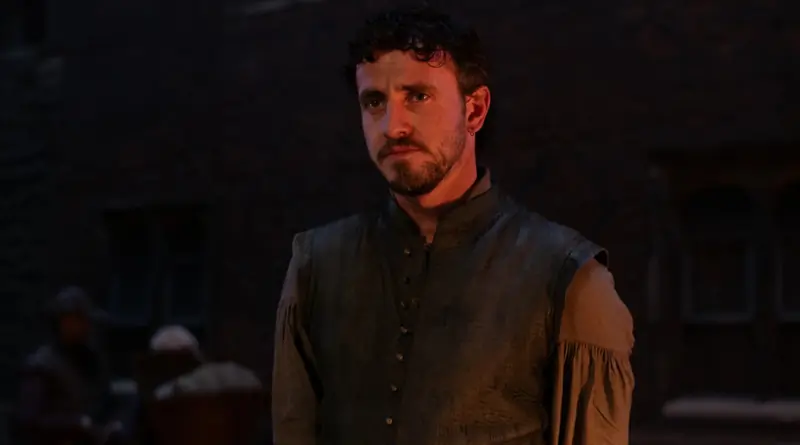
Yet it would be almost criminal to overlook Paul Mescal. His performance as William Shakespeare is layered and deeply human. In the first half he is a tender lover, a young man dazzled by Agnes. He is also a father trying to provide, a son wrestling with resentment toward his own father. There is complexity in his silences.
In the latter half, as grief reshapes him, Mescal subtly transforms. He becomes harder, more internal, yet never unfeeling. When he channels his pain into writing Hamlet, you sense the cost of that creation. Mescal deserves every bit of praise alongside Buckley.
The supporting cast strengthens the world further. Emily Watson, Joe Alwyn, Bodhi Rae Breathnach as Mary Shakespeare, Olivia Lynes, and the young actors playing Judith and Susanna Shakespeare all contribute texture and authenticity.
Chloe Zhao At Her Most Intimate
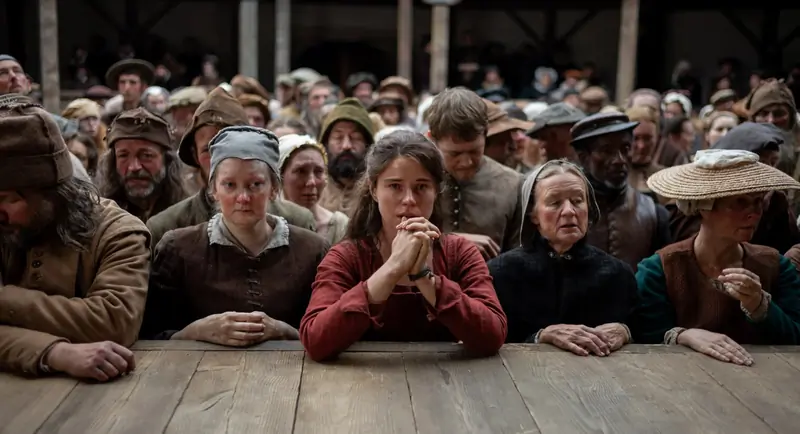
Everything about Hamnet feels considered and tender. Even when characters simply exchange a few words, there is something surreal and visceral in the air. You do not see actors performing roles. You see people living inside their grief.
Despite its two hour five minute runtime, the pacing may challenge some viewers. Zhao does not rely on swelling background scores or dramatic cues to instruct you how to feel. She embraces quiet and trusts stillness. She uses sound sparingly and meaningfully. That restraint may test impatient audiences, but for those willing to surrender, it is deeply rewarding.
Zhao is in top form here, crafting a film that feels like a simmering broth, slowly building its intensity until it quietly overflows.
The Child Who Breaks You
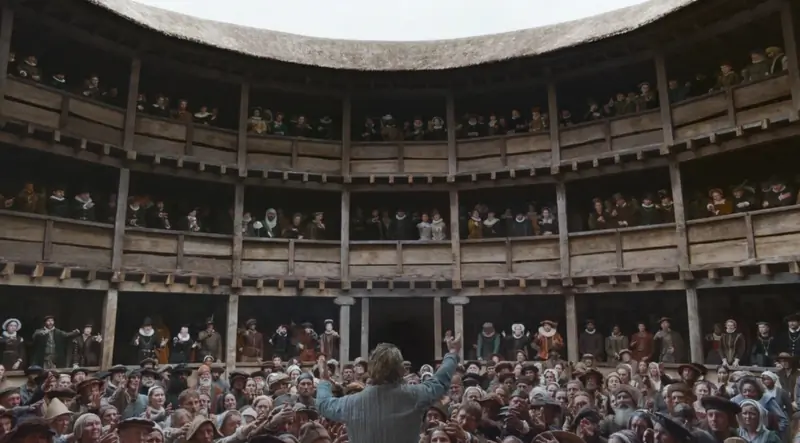
And then there is Jacobi Jupe as Hamnet Shakespeare. You cannot help but love him. He is not just a sweet looking child. He carries empathy in his eyes. When he cries, when he worries for Judith, when he clings to his father’s words, it feels heartbreakingly real. It is almost impossible to comprehend how someone so young can embody such grounded emotion.
Hamnet is the kind of film that stays with you. It does not explode loudly. It simmers. It builds. It lingers like a quiet ache that eventually rises into a flood of thought and feeling. You may find yourself teary, reflective, even stunned by how intimate storytelling can feel this expansive.
In the end, Hamnet reminds you that when a story is told with care, empathy and fearless honesty about flawed human beings, cinema can become something transcendent. Chloe Zhao does not simply recount the tragedy behind Hamlet. She lets you live inside it.
Chloe Zhao’s Hamnet is not just a period drama about William Shakespeare. It is an intimate, heart aching portrait of love, loss and the birth of Hamlet. With Jessie Buckley delivering a staggering performance and Paul Mescal quietly devastating, this poetic tragedy lingers long after the credits roll. Here is why Hamnet might be Zhao’s finest work yet.